Quick checklist to ready your car for desert adventures in UAE winter: tyres, recovery gear, cooling, battery, fluids, spare, fuel and safety tips.

Quick checklist to ready your car for desert adventures in UAE winter: tyres, recovery gear, cooling, battery, fluids, spare, fuel and safety tips.
Last updated: 28 October 2026
Before you head into the dunes, reduce tyre pressure by 3‑5 PSI to increase surface area and grip on sand. Re‑inflate to normal pressure (around 32‑35 PSI) before returning to tarmac. Carry a portable compressor or a hand‑pump to adjust pressure on the go.
Check for tread wear and side‑wall damage; a worn tyre can lose air quickly in hot sand. For long trips, consider spare tyres with a higher load rating suitable for desert use.
Link to car‑tyre service for tyre checks and inflation advice.
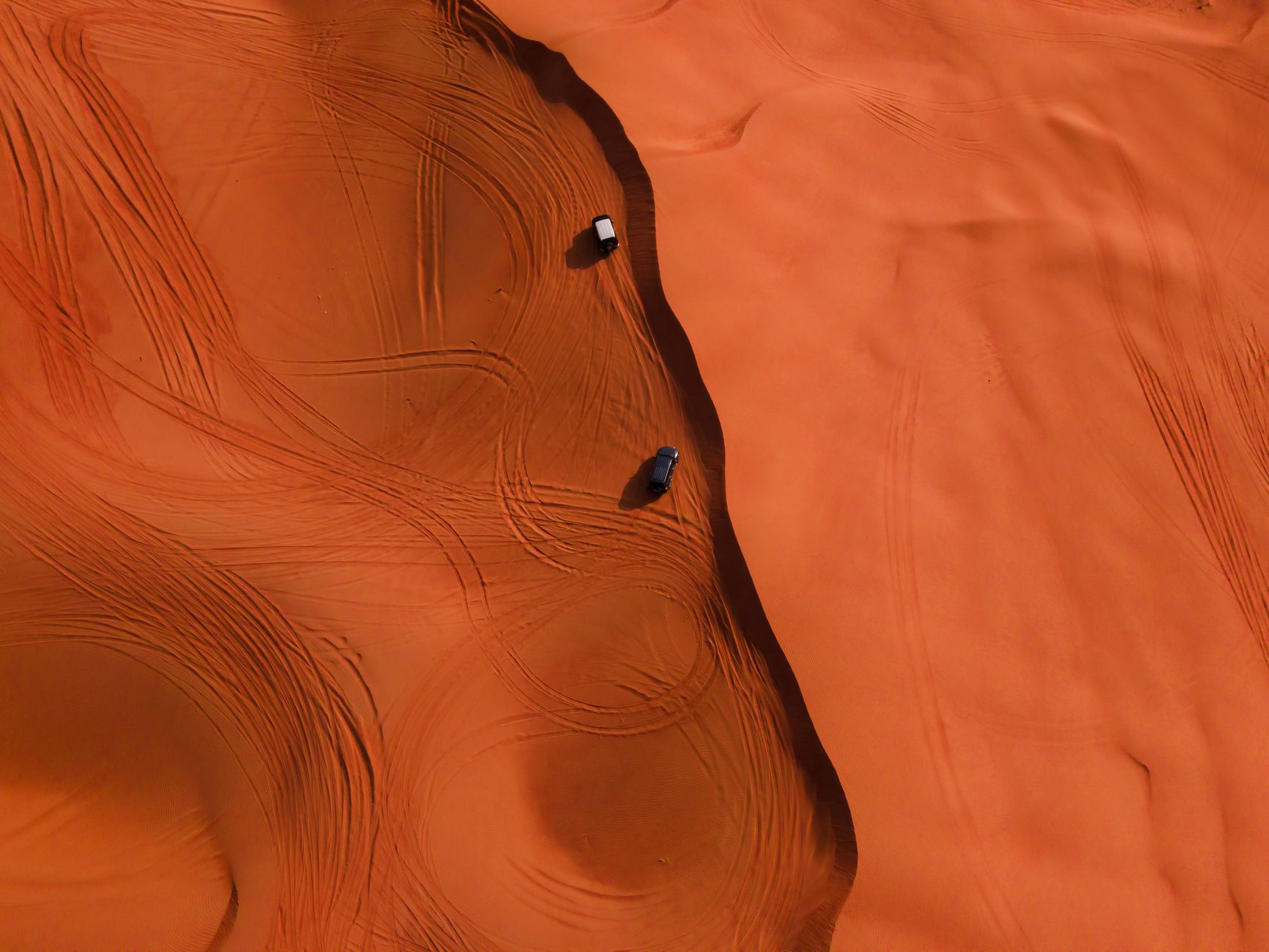
A recovery kit is essential: tow straps, a winch, a shovel, a traction mat and a high‑visibility vest. Store them in a waterproof bag and keep the kit easily accessible from the boot.
Test the winch and straps before departure to ensure they are functioning. Keep spare cables and a spare battery for the winch if it is battery‑driven.
 16% off
 21% off
 50% off
 25% off
 60% off
 60% off
 28% off
 31% off
Check coolant levels and replace old coolant with a 50:50 mix of water and antifreeze suitable for UAE temperatures. A low coolant level can cause overheating in hot sand.
Inspect the battery for corrosion and charge status. Replace a weak battery with a new one rated for extreme temperatures. For battery replacement, visit car‑battery‑replacement services.
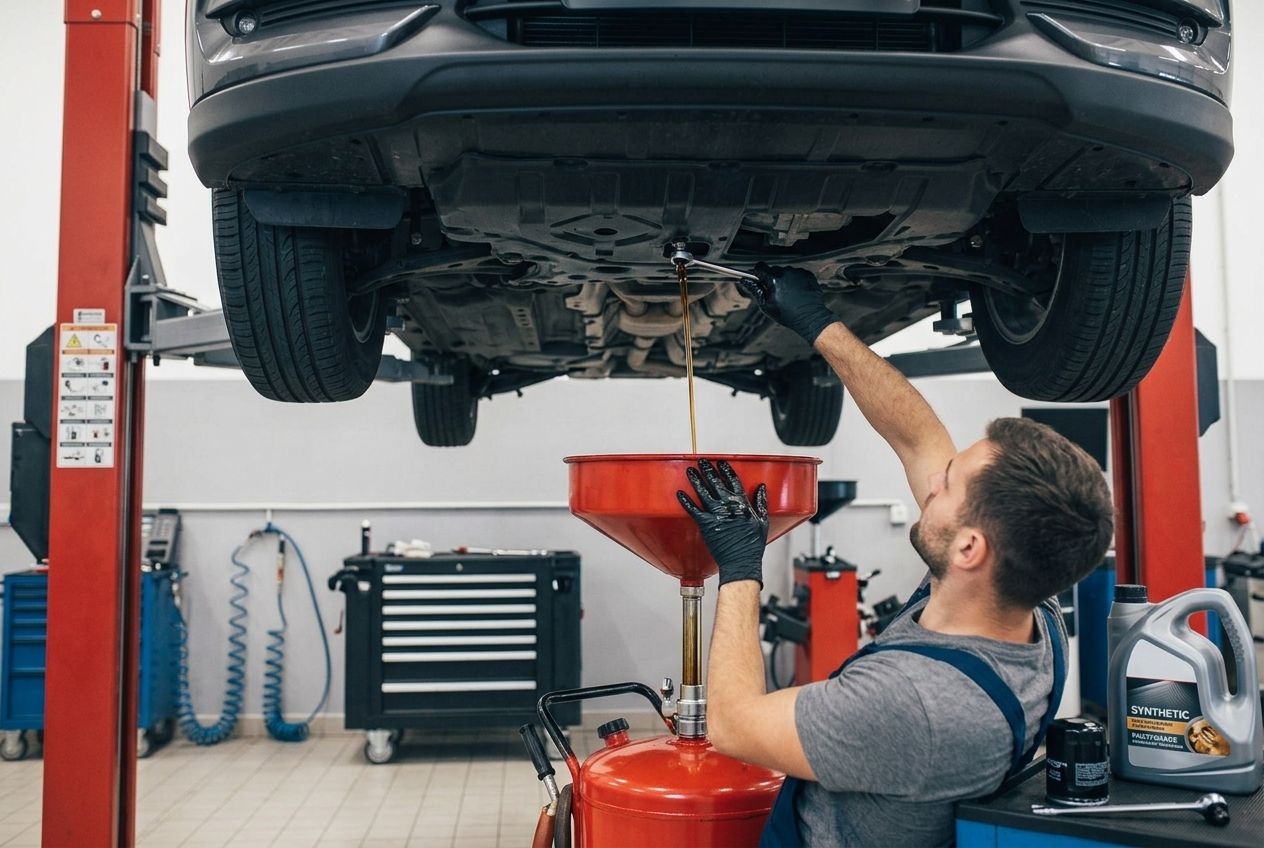
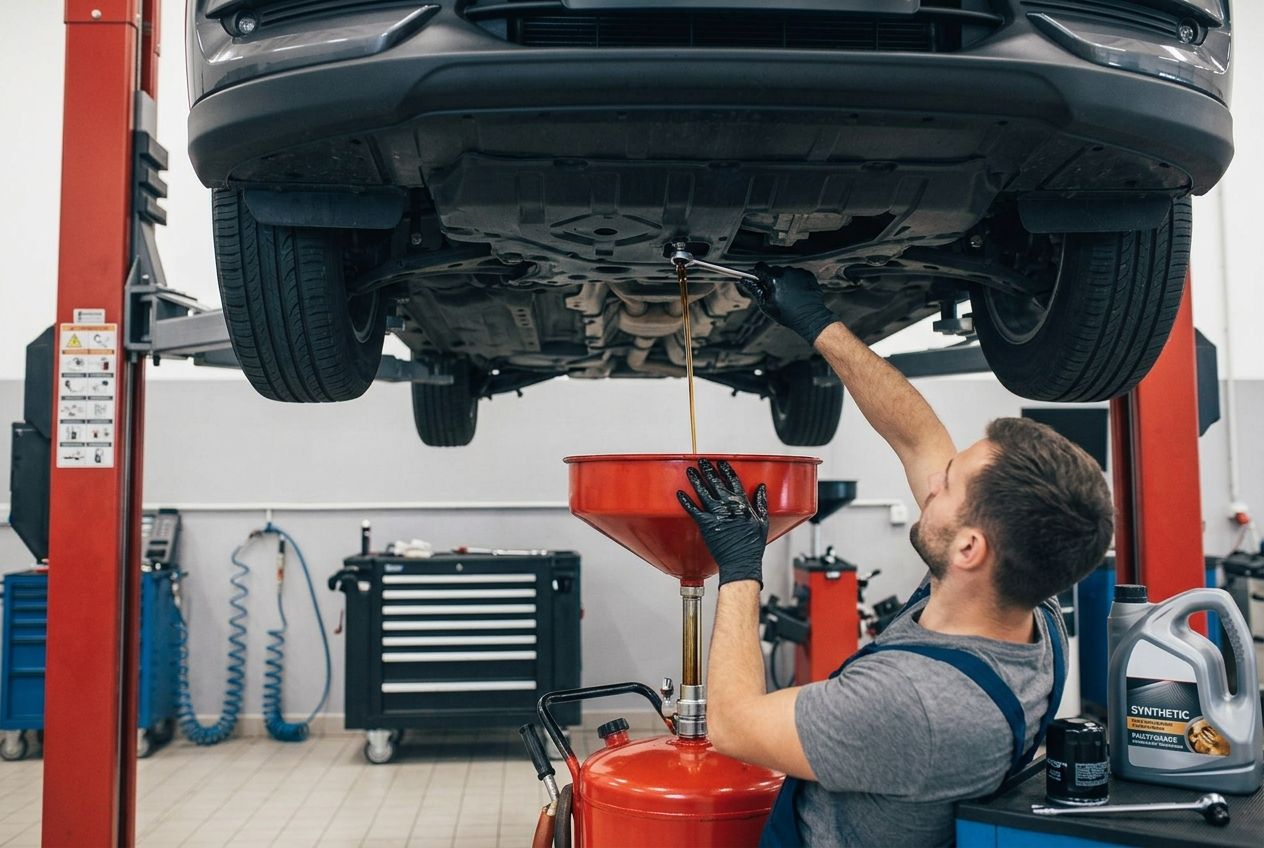
Top up engine oil, transmission fluid and brake fluid. Use fluids that meet the manufacturer’s specifications for high‑temperature operation.
Carry a spare fuse box, a set of spare bulbs and a basic tool kit. A small spare wheel is a must; ensure it is compatible with your vehicle’s hub.
Plan fuel stops at petrol stations along the route; fuel consumption rises in sand. Keep the tank at least half full whenever possible. A spare fuel canister is useful for remote stretches.
Use a reliable GPS or a physical map. Mark emergency exit points and the nearest service station. Keep a satellite phone or a local SIM for emergency contact.
Never drive alone into the dunes. Travel in a group with at least one vehicle that can provide assistance. Share a common communication channel and agree on a meeting point if separated.
Wear high‑visibility clothing and carry a first‑aid kit. Keep a spare set of clothes for the crew in case of exposure to sand or heat.

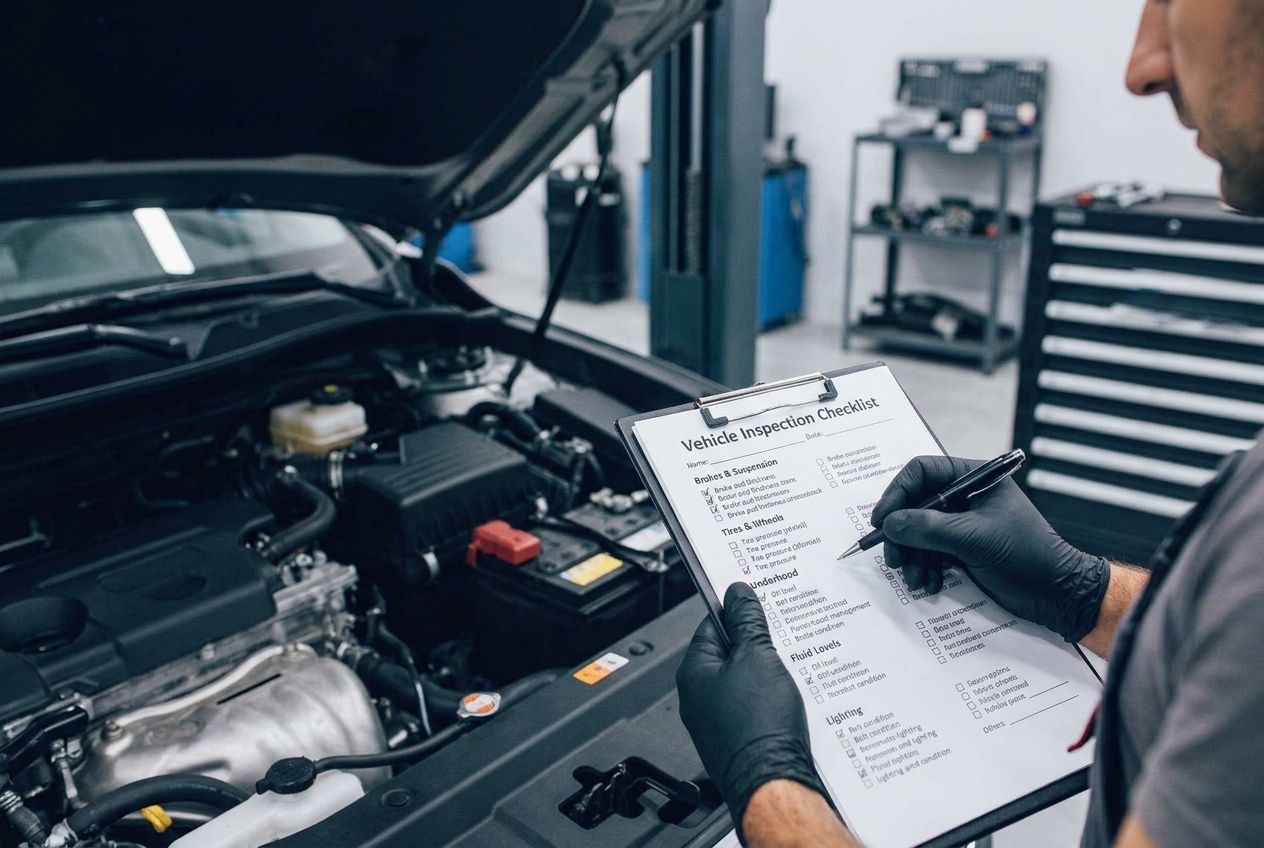
1. Tyres deflated for sand, compressor ready. 2. Recovery kit packed and tested. 3. Cooling system topped, battery checked. 4. Fluids topped and spare parts loaded. 5. Fuel plan mapped, extra fuel carried. 6. Group travel confirmed, communication set. 7. Safety gear and first‑aid kit ready.
Q1: How often should I check tyre pressure in the desert?
A1: Check every 50 km or when you notice a sudden loss of pressure. Adjust before returning to tarmac.
Q2: What is the recommended battery type for desert driving?
A2: A deep‑cycle battery rated for temperatures between, 20°C and +50°C works best.
Q3: Can I use the same fuel as in city driving?
A3: Yes, but keep the tank at least half full to account for higher consumption in sand.
Q4: How do I avoid getting stuck on a dune?
A4: Keep the wheel centre on the dune’s slope, use low gear, and avoid sudden braking.
Browse used cars, car service offers and free garage quotes across the UAE.
Like
Dislike
Love
Angry
Sad
Funny
Wow


Explore on MotorCar UAE


Sheikh Zayed Festival 2026 to 2027 Al Wathba: dates and how to get there by car
Oct 21, 2026





Comments 0